google.com, pub-4358400797418858, DIRECT, f08c47fec0942fa0 Photomythus google.com, pub-4358400797418858, DIRECT, f08c47fec0942fa0

Preserving Memories: Create and preserve a photographic family legacy

 The Importance of Creating a Family Photographic Heritage, with Tips for Preserving Photos for Posterity

Photographs serve as invaluable records of our past and can tell the story of our family through the generations. Creating a family photographic heritage offers an opportunity to preserve memories, document our legacy, and enable future generations to connect with their roots. In this article, we will explore the significance of establishing a family photographic heritage and provide tips on how to preserve photos for posterity.

The Importance of a Family Photographic Heritage

Creating a family photographic heritage holds numerous benefits. Here are some reasons why you should consider embarking on this endeavor:

  1. Preserving Memory: Photographs allow us to capture significant moments in our lives. They offer tangible reminders of special events such as weddings, birthdays, graduations, and other cherished milestones.
  2. Documenting Family History: Photographs help us trace our family history. They enable us to familiarize ourselves with the faces and lives of our ancestors, unraveling our origins and familial connections.
  3. Sharing with Future Generations: A family photographic heritage can be passed down to future generations. Photographs allow our descendants to gain insight into our lives and journeys, fostering an emotional bond with those they never had the chance to meet.
  4. Continuing Tradition: Creating a family photographic heritage can inspire future generations to do the same. It can become a family tradition that persists over time, preserving and enriching the family's narrative.

Preserving Photos for Posterity

Once you have established a family photographic heritage, it is crucial to appropriately preserve the photos to ensure their longevity and accessibility. Here are some tips for preserving photos:

  1. Physical Preservation: Store photos in a suitable environment. Avoid exposure to direct sunlight, humidity, and extreme temperatures. Utilize archival-quality photo albums to safeguard photos from dust, scratches, and environmental factors.
  2. Digitization: Digitizing photos is an effective method of long-term preservation. You can scan photos using a high-quality scanner or employ professional digitization services. Store digital copies in multiple secure locations, such as external storage devices or cloud storage services.
  3. Labeling and Cataloging: Accurately label and catalog photos to track important information. Record dates, names of individuals, relevant locations, and events. This makes it easier to identify photos in the future and preserve their context.
  4. Reproduction and Sharing: To ensure wider dissemination of the photos, consider creating copies for family members. You can have photos printed in larger sizes and framed as special gifts. Additionally, create digital albums or presentations that can be shared with relatives and friends.
  5. Secure Photo Storage: Safeguard your photos from unforeseen events such as fires, floods, or theft. Store them in secure locations like safety deposit boxes, fireproof cabinets, or professional archival storage services. Also, make sure to inform your family members about the locations where you store the photos, so they can be protected in case of emergencies.
  6. Involve the Family: Engage your family in the photo preservation process. Organize archiving events where you can collaborate to identify unknown individuals and places in the photos. Furthermore, encourage your family members to share their own photos and actively participate in creating a family photographic heritage.

Conclusion

Creating a family photographic heritage is a significant commitment, but one that is undoubtedly worthwhile. Photographs can preserve memories, document family history, and connect generations. Ensure proper preservation of photos by protecting them from environmental factors, digitizing and cataloging them meticulously. Involve your family in the process and share the photos with future generations. Creating a family photographic heritage is a precious gift that can be passed down over time and cherished by all who become part of your family.

Don McCullin: Bearing Witness to the Human Cost of Conflict.

 Don McCullin is a renowned British photojournalist known for his powerful and emotionally charged images capturing the human impact of conflict and social issues. Born on October 9, 1935, in London, McCullin began his career as a photographer in the 1950s and went on to become one of the most influential documentary photographers of his time.

McCullin's photography career gained prominence during his work as a war correspondent, documenting conflicts around the world, including the Vietnam War, the Biafra War, and the Troubles in Northern Ireland. His images captured the raw reality of war, portraying the suffering, despair, and resilience of both soldiers and civilians caught in the midst of violence.

Beyond war photography, McCullin also focused on social issues, capturing the harsh realities of poverty, homelessness, and social inequality. His compassionate and empathetic approach allowed him to connect with his subjects on a deeply human level, bringing their stories to the forefront and shedding light on the injustices of society.

McCullin's photographs are characterized by their raw and gritty aesthetic, often shot in black and white, which enhances the intensity and emotional impact of the scenes captured. His work is highly regarded for its honesty, integrity, and ability to evoke a strong emotional response from viewers.

Throughout his career, McCullin received numerous awards and accolades for his contributions to photography and photojournalism, including being named a Commander of the Order of the British Empire (CBE) in 1993. He has also published several books showcasing his work, further solidifying his status as a master photographer.

Prabuddha Dasgupta: The Sensual Poetry of Indian Photography.

 Prabuddha Dasgupta was an Indian photographer known for his evocative and sensual images that captured the essence of human emotions and experiences. Born on September 29, 1956, in Kolkata, India, Dasgupta's photography career spanned over three decades and left an indelible mark on the Indian art and fashion photography landscape.

Dasgupta's photography style was characterized by its rawness, intimacy, and ability to evoke a sense of sensuality and vulnerability in his subjects. He often portrayed the human body with great sensitivity, exploring themes of desire, identity, and the complexities of human relationships. His black and white photographs, in particular, conveyed a timeless and poetic quality.

Throughout his career, Dasgupta collaborated with leading fashion magazines and brands, including Vogue, Harper's Bazaar, and Louis Vuitton. His photographs captured the beauty of fashion while transcending its superficial aspects, often highlighting the individuality and inner world of the models.

Beyond fashion photography, Dasgupta ventured into documentary and fine art photography, capturing the essence of everyday life in India and exploring its diverse cultural landscapes. His photographs reflected a deep understanding and appreciation for the human condition, showcasing the nuances of Indian society and its people.

Tragically, Prabuddha Dasgupta passed away on August 12, 2012, leaving behind a legacy of powerful and visually striking images that continue to inspire and captivate audiences.

Hong Hao: Exploring Materialism and Globalization Through Visual Art.

 Hong Hao is a contemporary Chinese artist and photographer known for his thought-provoking and visually engaging works. Born in Beijing, China, in 1965, Hong Hao has established himself as a prominent figure in the Chinese art scene, exploring themes of globalization, consumerism, and the impact of technology on society.

One of Hong Hao's most recognizable bodies of work is his ongoing series titled "My Things." In this series, Hong meticulously arranges and photographs everyday objects, creating large-scale digital collages that reflect the complexities of modern life. The compositions feature an array of objects, ranging from household items to cultural artifacts, forming intricate and visually captivating narratives.

Through his artwork, Hong Hao examines the role of material possessions in contemporary society, the ever-expanding influence of consumer culture, and the interconnections between individuals and their environment. He raises questions about the concept of identity, the transience of material possessions, and the broader implications of mass production and consumption.

Hong Hao's artistic practice extends beyond photography, encompassing mixed-media installations, digital art, and printmaking. He has exhibited his works internationally, showcasing his unique blend of traditional Chinese aesthetic elements with a contemporary artistic vision.

Oliviero Toscani: Challenging Norms Through Provocative Photography and Advertising

 Oliviero Toscani is an Italian photographer and art director widely recognized for his provocative and controversial advertising campaigns. Born on February 28, 1942, in Milan, Italy, Toscani has made a significant impact on the world of photography and advertising, pushing boundaries and challenging societal norms.

Toscani gained international fame during his collaboration with the fashion brand Benetton, where he served as the art director from 1982 to 2000. He is best known for the groundbreaking United Colors of Benetton campaigns, which addressed various social and political issues. These campaigns often featured striking and provocative images that sparked intense debate and garnered both praise and criticism.

Through his work, Toscani aimed to use advertising as a means of raising awareness and promoting social change. He tackled topics such as racism, AIDS, war, and the environment, challenging viewers to confront uncomfortable truths and engage in critical dialogue.

Beyond his work with Benetton, Toscani has also pursued independent projects, including documentary photography and publishing several books. His photographs often capture raw emotions, unfiltered realities, and the human condition in all its diversity.

Throughout his career, Toscani has been recognized with numerous awards and accolades for his contributions to photography and advertising. His work continues to inspire and provoke discussions, leaving a lasting impact on the industry.

Richard Misrach: Capturing the Complexities of Landscapes and Society

 Richard Misrach is an American photographer known for his stunning landscape and documentary photography. Born on February 14, 1949, in Los Angeles, California, Misrach has dedicated his career to capturing the complexities of human interaction with the environment and exploring the social and political aspects of contemporary society.

Misrach's work often focuses on large-scale landscapes, particularly the American West. He uses the vastness of the natural world to explore themes such as environmental degradation, human impact on the land, and the relationship between people and their surroundings. His photographs convey a sense of awe, while also provoking thought and reflection on pressing environmental and social issues.

One of Misrach's most renowned series is "Desert Cantos," a multi-year project that documents the deserts of the American Southwest. Through this series, he examines the effects of human activity on the desert ecosystem and raises questions about the intersection of nature, culture, and industry.

Misrach's photographs have been exhibited in galleries and museums worldwide, and his work is included in numerous prominent collections. He has received numerous awards and honors for his contributions to photography, including a Guggenheim Fellowship and the Dorothea Lange-Paul Taylor Prize.

In addition to his landscape photography, Misrach has also explored other subjects, such as the aftermath of Hurricane Katrina in his series "Destroy This Memory" and the border wall between the United States and Mexico in "Border Cantos" (a collaboration with composer Guillermo Galindo).

Richard Misrach's photography is characterized by its stunning compositions, thoughtful exploration of social and environmental themes, and the ability to evoke emotional responses in viewers. His work continues to inspire and challenge perceptions of the world around us, serving as a reminder of the power of photography to convey complex narratives and spark meaningful conversations.

Lillian Bassman: The Visionary Reinvention of Fashion Photography

 Lillian Bassman was an American photographer and fashion illustrator born on June 15, 1917, in Brooklyn, New York. She is best known for her iconic fashion photography characterized by its elegance, sophistication, and experimental use of light and shadow.

Bassman initially worked as a fashion illustrator before transitioning to photography in the late 1940s. She started her career as an assistant to Alexey Brodovitch, the renowned art director of Harper's Bazaar. Under his mentorship, Bassman developed her distinctive style, incorporating soft focus, high contrast, and dramatic lighting to create evocative and ethereal images.

Throughout the 1950s and 1960s, Bassman's work appeared in major fashion publications such as Harper's Bazaar and Vogue. Her photographs redefined the traditional norms of fashion photography, pushing boundaries with her experimental techniques and unique vision. She often incorporated movement, abstraction, and surreal elements into her images, creating a dreamlike and poetic quality.

In the 1970s, Bassman stepped away from commercial fashion photography and focused on personal projects. She discovered a collection of her old negatives and began reimagining and reinterpreting them using darkroom techniques to create new and more abstract works of art. These reinterpretations became a defining feature of her later career and received critical acclaim.

Bassman's work has been exhibited in numerous galleries and museums worldwide, and she received various accolades for her contributions to the field of photography. Her photographs continue to inspire and influence contemporary photographers with their timeless elegance and artistic vision.

Lillian Bassman's legacy as a photographer lies in her ability to transcend the boundaries of traditional fashion photography, creating images that were not only visually captivating but also conveyed emotion and narrative. Her experimentation with light, composition, and technique revolutionized the genre and left a lasting impact on the world of fashion and fine art photography.

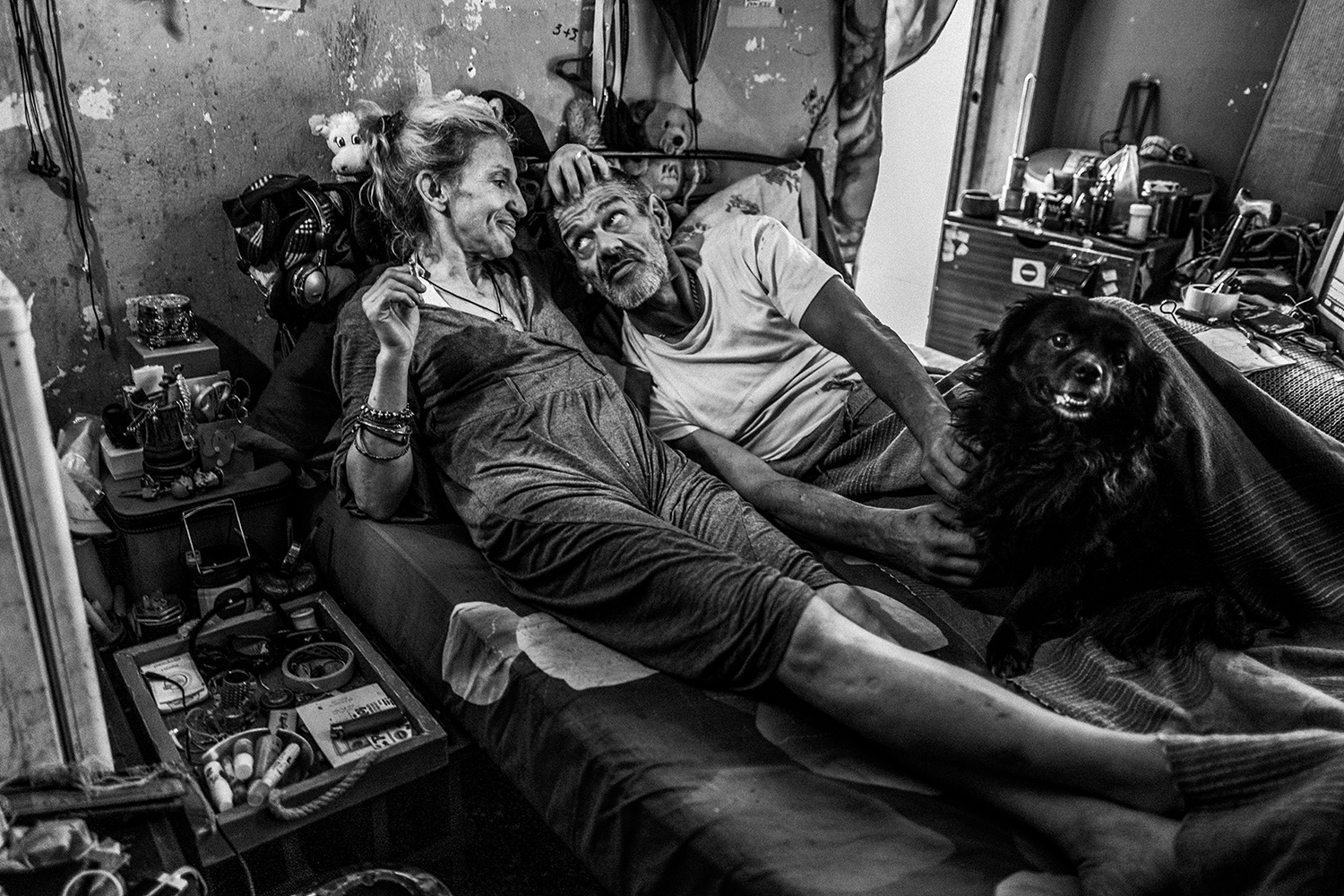
Michalis Patsouras: Capturing the Essence of Contemporary Social Issues through Anthropocentric Photography


Michalis Patsouras lives in Athens and he is a professional photographer. Before he got professionally involved in photography he worked for 10 years as a civil servant at the Greek Ministry of Commerce, while at the same time he studied photography and video art at the schools Focus and the Greek Leica Academy.

In 2000 he resigned in order to dedicate himself professionally to photography. In 2001 he was hired as a chief photographer of the magazines of a large publishing group. In 2005 he started working with advertising agencies. All these years he has also been involved in travel reporting.

 Since 2009 he has been working as a freelance photographer, mainly on long-term anthropocentric projects, focusing on contemporary social issues.

The way he likes to work is experientially. From 2017 to 2021 he worked as a photography teacher for the Greek Leica Academy. He is a member of the Hellenic Photojournalist Association and FIVOS (collective organization for the protection of copyright in Greece).

Bernard Plossu: Capturing the Soul of Places through Poetic Photography

 Bernard Plossu is a renowned French photographer known for his poetic and introspective approach to photography. Born on February 26, 1945, in Dalat, Vietnam, Plossu spent his childhood in Algeria and later moved to France, where he began his photographic journey.

Plossu's work is characterized by his fascination with travel, exploration, and a deep connection to the landscapes and cultures he encounters. He has traveled extensively throughout Mexico, the United States, India, and other countries, capturing the essence of each place through his lens. His photographs often convey a sense of intimacy and contemplation, inviting viewers to immerse themselves in the beauty and serenity of the natural world.

Throughout his career, Plossu has published numerous books and exhibited his work in prestigious galleries and museums around the world. His photographs have a distinct visual style, often utilizing soft focus, grain, and black and white tones to evoke a sense of timelessness and nostalgia.

Plossu's photographs are not only visual representations of the places he visits but also personal reflections of his own experiences and emotions. He embraces the spontaneity of life and seeks to capture the fleeting moments that resonate with a sense of authenticity and humanity.

Bernard Plossu's work has garnered critical acclaim and has had a significant influence on the field of photography. His ability to convey emotion and his unique vision of the world have made him one of the most respected photographers of his generation.

The photographs of Bernard Plossu invite viewers to embark on a visual journey, exploring the landscapes, cultures, and moments of life captured through his artistic lens. His work serves as a testament to the power of photography to evoke emotions, tell stories, and inspire a deeper appreciation for the beauty of the world.

André Kertész: Capturing the Beauty of Everyday Life Through Innovative Photography

André Kertész was a Hungarian-born photographer who made significant contributions to the development of modern photography. Born on July 2, 1894, in Budapest, Kertész began his photographic journey at a young age and quickly gained recognition for his innovative and introspective approach.

Kertész's career spanned several decades and continents. He began his photographic work in Budapest, capturing scenes of everyday life with a poetic and introspective style. In 1925, he moved to Paris, where he immersed himself in the vibrant art scene and became associated with the modernist movement.

One of Kertész's notable contributions to photography was his experimentation with composition and perspective. He was known for his ability to find beauty in ordinary subjects, creating visually striking and thought-provoking images. His use of unique angles, reflections, and juxtapositions added a dynamic and surreal quality to his photographs.

In the 1930s, Kertész moved to New York City, where he continued to capture the essence of urban life. He documented the energy and diversity of the city, but also explored more personal and introspective themes. His series "Distortions," created using a distorting mirror, showcased his ability to play with reality and create abstract and surreal imagery.

Kertész's work garnered international recognition, and he exhibited in major galleries and museums around the world. He received prestigious awards, including the Medal of the City of Paris and the Grand Prix National de la Photographie.

Throughout his career, Kertész produced a vast body of work encompassing street photography, portraits, still lifes, and more. His photographs evoke a sense of introspection, capturing the fleeting moments of life with sensitivity and artistic vision.

André Kertész's contributions to modern photography have left an enduring legacy. His innovative approach to composition and his ability to find beauty in the mundane continue to inspire photographers today. His work has had a profound impact on the development of street photography and the exploration of the human experience through the lens.


Joel Meyerowitz: Pioneering Color Photography and Capturing the Essence of Urban Life

 Joel Meyerowitz is an American photographer recognized for his significant contributions to the field of street and documentary photography. Born on March 6, 1938, in New York City, Meyerowitz started his photography career in the early 1960s and quickly established himself as a pioneer in color photography at a time when black and white was predominantly used for serious photography.

Meyerowitz played a crucial role in elevating color photography as a legitimate artistic medium. He embraced the vibrant palette of the streets and captured candid moments of everyday life with an acute sense of observation and composition. His photographs often showcase the energy, diversity, and nuances of urban environments, particularly in New York City.

One of Meyerowitz's notable bodies of work is his documentation of the aftermath of the September 11, 2001 attacks on the World Trade Center. He was granted unprecedented access to Ground Zero and spent months capturing the recovery efforts and the resilience of the city and its people. This powerful series of photographs became a testament to the collective strength and healing process in the face of tragedy.

Throughout his career, Meyerowitz has published numerous books and exhibited his work in renowned galleries and museums worldwide. His photographs are characterized by their vivid colors, intricate compositions, and the ability to capture the essence of a fleeting moment.

Meyerowitz has received numerous awards and honors for his contributions to photography, including a Guggenheim Fellowship and a National Endowment for the Arts grant. He continues to inspire photographers with his dedication to the craft and his ability to capture the essence of human experience in his images.

Joel Meyerowitz's work has left an indelible mark on the photography world, particularly in the realm of color street photography. His keen eye, technical expertise, and ability to capture the essence of a moment have solidified his place as one of the most influential photographers of his time.

Sarah Moon: Enchanting the World with Dreamlike Photography

 Sarah Moon, born Marielle Warin in 1941 in England, is a renowned French fashion and fine art photographer known for her dreamlike and poetic style. Moon's photography often blurs the boundaries between reality and fantasy, creating evocative and ethereal images that captivate viewers.

Moon initially pursued a career in modeling but transitioned to photography in the 1970s. Her distinct aesthetic is characterized by soft focus, muted colors, and a sense of nostalgia. Her images possess a dreamlike quality, often featuring ethereal subjects, delicate fabrics, and surreal compositions.

Throughout her career, Moon has collaborated with major fashion houses and publications, including Vogue and Harper's Bazaar. Her fashion photography challenges traditional notions of beauty and embraces imperfections, resulting in images that are unconventional, mysterious, and filled with emotion.

In addition to her fashion work, Moon has also delved into fine art photography and has exhibited her work in prestigious galleries and museums around the world. Her fine art photography continues to explore themes of identity, memory, and the passage of time.

Moon's unique visual language and artistic approach have garnered critical acclaim, and she has received numerous awards and honors for her contributions to the field of photography. Her photographs evoke a sense of introspection and invite viewers to explore the hidden narratives within her images.

Sarah Moon's photography transcends the boundaries of fashion and art, transporting viewers to a realm where reality and imagination coexist. Her poetic and evocative images continue to inspire and provoke contemplation, making her one of the most influential photographers of her generation.

Herb Ritts: Embracing Beauty and Elegance through Iconic Photography

 Herb Ritts was an influential American fashion and portrait photographer known for his iconic black and white images that celebrated beauty, sensuality, and the human form. Born on August 13, 1952, in Los Angeles, California, Ritts became one of the most sought-after photographers in the fashion industry during the 1980s and 1990s.

Ritts' career took off when he began shooting for prominent fashion magazines such as Vogue, Vanity Fair, and Harper's Bazaar. His distinctive style blended elements of classicism, minimalism, and a strong emphasis on clean lines and sculptural forms. He often incorporated natural elements, such as sunlight, water, and sand, into his compositions, creating striking and visually arresting images.

One of Ritts' most recognized works is his series of black and white photographs featuring supermodels and celebrities, including Cindy Crawford, Naomi Campbell, Madonna, and Richard Gere. His portraits exude a sense of glamour and timeless beauty, capturing the essence of his subjects with elegance and sophistication.

In addition to his fashion photography, Ritts also ventured into music video direction, creating visually stunning videos for artists like Madonna and Chris Isaak. His videos showcased his keen eye for aesthetics and his ability to merge the worlds of fashion and music seamlessly.

Ritts' contributions to the world of photography were widely recognized and awarded. His photographs have been exhibited in prestigious galleries and museums around the world, and he received accolades such as the International Center of Photography's Lifetime Achievement Award.

Tragically, Ritts' career was cut short when he passed away from complications related to pneumonia in 2002. However, his legacy lives on, and his images continue to inspire and influence generations of photographers and artists.

Herb Ritts' photography represents a unique blend of elegance, sensuality, and artistry. His ability to capture beauty in its purest form, whether in fashion or portraiture, cemented his status as one of the most celebrated photographers of his time.

Graciela Iturbide: Capturing the Soul of Mexico through Intimate and Powerful Photography

 Graciela Iturbide is a renowned Mexican photographer celebrated for her captivating and introspective images that explore themes of identity, culture, and the human experience. Born on May 16, 1942, in Mexico City, Iturbide has become a leading figure in contemporary Latin American photography.

Iturbide's career began in the 1970s when she started documenting the indigenous communities of Mexico. She immersed herself in the rich cultural tapestry of her country, capturing intimate moments and powerful portraits that reveal the resilience, beauty, and complexity of Mexican society.

One of Iturbide's most iconic works is her series on the indigenous Zapotec women of Juchitán. Through her photographs, she portrays the strength and dignity of these women, highlighting their unique traditions, clothing, and daily life. Iturbide's images not only preserve their cultural heritage but also challenge stereotypes and offer a profound reflection on gender roles and societal norms.

Throughout her career, Iturbide has also explored other themes such as death, religion, and the concept of the "border." Her photographs often convey a sense of mysticism and symbolism, inviting viewers to contemplate the deeper meanings behind her subjects and the spaces they inhabit.

Iturbide's unique visual language combines a keen eye for composition, use of natural light, and a deep connection with her subjects. Her images evoke a sense of poetry and evoke emotions that transcend cultural boundaries.

Her work has been widely exhibited in prestigious galleries and museums around the world, including the Museum of Modern Art (MoMA) in New York and the Centre Pompidou in Paris. Iturbide has received numerous awards and honors throughout her career, including the prestigious Hasselblad Foundation International Award in Photography.

Graciela Iturbide's photography serves as a visual testimony to the diverse and rich cultural heritage of Mexico. Her images invite us to reflect on the complexities of identity, the power of tradition, and the universal aspects of the human experience. Through her lens, she captures fleeting moments that resonate deeply and provoke contemplation.

Nick Knight: Redefining Fashion Photography through Innovation and Vision

 Nick Knight is a highly influential and innovative British fashion photographer and director known for his groundbreaking and experimental approach to image-making. Born on November 24, 1958, in London, Knight has made significant contributions to the fields of fashion, advertising, and fine art photography.

Knight's career began in the 1980s when he started collaborating with influential fashion designers, magazines, and brands. He quickly gained recognition for his avant-garde and boundary-pushing aesthetic, often challenging conventional notions of beauty and exploring new possibilities in visual storytelling.

One of Knight's notable contributions to the fashion industry is his pioneering use of digital technology in photography. He was one of the first photographers to fully embrace digital manipulation and create surreal and digitally enhanced images. This experimentation with technology and his fearless approach to image-making have revolutionized the fashion photography landscape.

Knight's work often blurs the boundaries between fashion, art, and technology. He is known for his bold use of color, dramatic lighting, and visually striking compositions. His photographs exude a sense of fantasy and create captivating narratives, capturing the essence of his subjects and the spirit of the fashion world.

Aside from his photography, Knight has expanded his creative endeavors into directing music videos, commercials, and fashion films. He has collaborated with renowned musicians, designers, and brands, bringing his distinctive vision to various multimedia projects.

Knight's work has been featured in prestigious exhibitions and galleries worldwide, including the Victoria and Albert Museum in London and the International Center of Photography in New York. He has also received numerous awards and honors for his contributions to the industry, including the British Fashion Council's Isabella Blow Award for Fashion Creator.

Beyond his commercial success, Knight is committed to pushing the boundaries of creativity and challenging societal norms. He often addresses social and cultural issues through his work, using fashion as a medium to provoke thought and encourage dialogue.

Nick Knight's innovative and visionary approach to photography has had a profound impact on the fashion industry and visual arts. His fearless experimentation, technical mastery, and ability to capture the zeitgeist have solidified his status as one of the most influential photographers of his generation.

Cristina García Rodero: Exploring Cultural Traditions Through the Lens of Humanity

Cristina García Rodero is a renowned Spanish photographer recognized for her powerful and evocative images that explore cultural traditions, rituals, and the human experience. Born on October 14, 1949, in Puertollano, Spain, García Rodero has dedicated her career to documenting diverse cultures around the world, particularly in her native Spain.

García Rodero studied painting at the School of Fine Arts in Madrid before shifting her focus to photography. Her early works were influenced by the visual storytelling of Spanish painters, and she embarked on a photographic journey that took her to various regions in Spain, capturing the essence of traditional customs, folklore, and religious practices.

One of her most notable projects is "España Oculta" (Hidden Spain), a series that delves into the mystical and spiritual aspects of Spanish culture. Through her photographs, García Rodero sheds light on ancient traditions, religious celebrations, and the connection between humans and their environment. Her images are often characterized by vivid colors, dramatic compositions, and a deep sense of intimacy with her subjects.

García Rodero's commitment to documenting cultural heritage extends beyond Spain. She has traveled to many countries, including India, Haiti, and Mexico, immersing herself in diverse communities and capturing their rituals, celebrations, and everyday life. Her photographs reveal a deep respect and empathy for her subjects, providing a window into their world and fostering cross-cultural understanding.

Throughout her career, García Rodero has received numerous awards and recognitions for her exceptional contributions to photography. She became a full member of the prestigious Magnum Photos agency in 2005, cementing her status as one of the most influential photographers of her generation.

Her work has been widely exhibited in galleries and museums worldwide, including the Museum of Modern Art (MoMA) in New York and the Reina Sofía National Museum and Art Center in Madrid. García Rodero's photographs have also been published in several monographs, showcasing her profound artistic vision and storytelling abilities.

Cristina García Rodero's photography serves as a bridge between cultures, preserving and celebrating traditions while offering a contemporary perspective on the human condition. Her compelling images invite viewers to explore the richness and diversity of the world, inviting us to reflect on our shared humanity and the importance of cultural heritage.


RongRong & inri: Capturing Cultural Identity and the Human Spirit Through the Lens of Collaboration

 RongRong and inri, also known as the artistic duo RongRong and inri, are internationally acclaimed Chinese photographers who have made significant contributions to contemporary photography and visual arts. Their collaboration began in the late 1990s, and together they have created a diverse body of work that explores themes of identity, memory, and the human condition.

RongRong, born in Zhangzhou, Fujian Province, China, in 1968, and inri, born in Kanagawa Prefecture, Japan, in 1973, have embarked on a creative journey that spans cultures, languages, and artistic visions. Their collaboration reflects their unique perspectives as individuals while also exploring the cultural and societal intersections between China and Japan.

One of their most notable projects is "East Village," a series of photographs capturing the underground artistic community in Beijing during the late 1990s. This series documented the lives and struggles of artists living on the fringes of society, offering a glimpse into a vibrant and dynamic cultural scene that was emerging in China at the time.

Another significant body of work by RongRong and inri is "Tsumari Story," which explores the rural landscapes and local traditions of the Tsumari region in Japan. Through their photographs, they delve into the complex relationship between nature, community, and the passage of time, creating a poetic visual narrative that reflects the spirit of a place and its people.

RongRong and inri's photographs often exhibit a dreamlike quality, blurring the boundaries between reality and imagination. Their artistic vision combines traditional and contemporary techniques, utilizing both black and white and color photography to create visually compelling and emotionally resonant images.

Their work has been exhibited in galleries and museums worldwide, including the Museum of Modern Art (MoMA) in New York and the National Museum of Modern and Contemporary Art in Seoul, among others. RongRong and inri have also received numerous awards and accolades for their contributions to the field of photography and their exploration of cultural identities.

As pioneers in the field of contemporary Chinese and Japanese photography, RongRong and inri continue to push boundaries and challenge conventions. Their collaborative efforts have enriched the art world with their unique perspectives, cultural insights, and visually captivating imagery, leaving a lasting impact on the photography landscape.

Albert Watson: Illuminating Beauty and Capturing Icons Through the Lens

 Albert Watson is a renowned Scottish photographer known for his iconic images in the realms of fashion, celebrity portraiture, and fine art photography. Born on April 13, 1942, in Edinburgh, Scotland, Watson's career has spanned over five decades, during which he has left an indelible mark on the world of photography.

Watson began his journey in the field of photography at an early age and honed his skills while studying graphic design at the Duncan of Jordanstone College of Art and Design in Dundee. His breakthrough came in the 1970s when he moved to the United States and began working for major fashion publications, including Vogue, Harper's Bazaar, and GQ. His distinctive style, characterized by meticulous attention to detail, striking compositions, and strong use of light and shadow, quickly garnered attention and acclaim.

Throughout his career, Watson has collaborated with numerous influential figures in the worlds of fashion, music, and film. His portraits of celebrities such as Alfred Hitchcock, Kate Moss, Steve Jobs, and David Bowie are widely celebrated for their artistry and ability to capture the essence of the subject.

Beyond his commercial work, Watson has ventured into the realm of fine art photography, creating captivating images that transcend traditional genres. His photographs often incorporate elements of surrealism, storytelling, and cultural references, adding depth and intrigue to his visual narratives.

Watson's contributions to the world of photography have been recognized with numerous awards and accolades. He has been honored with a Lifetime Achievement Award from the American Society of Media Photographers, among other prestigious recognitions.

Albert Watson's work continues to be exhibited in galleries and museums worldwide, and his photographs have become iconic representations of beauty, elegance, and artistic vision. His ability to capture the essence of his subjects, coupled with his technical mastery and innovative approach, has solidified his place as one of the most influential photographers of our time.

Bruce Davidson: Capturing the Humanity and Social Realities of American Life

 Bruce Davidson is an acclaimed American photographer known for his powerful and intimate documentary work. Born on September 5, 1933, in Oak Park, Illinois, Davidson began his photographic journey in the 1950s and has since become one of the most influential photographers of his generation.

Davidson's work primarily focuses on social issues, capturing the human condition with empathy and compassion. His early projects, such as "Brooklyn Gang" and "The Dwarf," showcased his ability to create intimate portraits that reveal the emotional depth of his subjects.

In the 1960s, Davidson embarked on a groundbreaking project titled "East 100th Street," where he documented the residents of a poverty-stricken neighborhood in East Harlem, New York. The series captured the struggles, resilience, and humanity of the community, shedding light on issues of poverty, racism, and social inequality.

Another significant project by Davidson is "Subway," where he immersed himself in the gritty underground world of the New York City subway system during the 1980s. The series is a powerful exploration of the diverse characters and the intense atmosphere of the subway, offering a raw and unfiltered glimpse into urban life.

Throughout his career, Davidson has received numerous awards and honors for his work, including a Guggenheim Fellowship and the prestigious Hasselblad Award. His photographs have been exhibited worldwide and are included in many prominent collections.

Davidson's photographic style is characterized by his immersive approach, often spending extended periods with his subjects to gain their trust and capture their authentic selves. His ability to create intimate connections with his subjects and to capture the essence of their lives sets his work apart.

Bruce Davidson's contributions to documentary photography have had a profound impact on the field. His commitment to social justice, his ability to capture moments of humanity, and his dedication to telling the stories of marginalized communities have solidified his place as one of the great photographers of our time.

August Sander: Capturing the Diversity and Complexity of German Society in the 20th Century

 August Sander (1876-1964) was a renowned German photographer known for his monumental body of work titled "People of the 20th Century." Born on November 17, 1876, in Herdorf, Germany, Sander embarked on a photographic journey that would capture the essence of German society during a time of profound social and political change.

Sander's project, "People of the 20th Century," aimed to document and categorize individuals from all walks of life, creating a comprehensive visual representation of German society. His approach was rooted in the principles of objective observation and the belief that photography could reveal essential truths about people and their societal roles.

Through his portraits, Sander sought to capture the nuances of character, social status, and occupation, paying meticulous attention to detail. His subjects ranged from farmers and laborers to artists, politicians, and intellectuals, reflecting the diversity and complexity of German society.

Sander's work was deeply influenced by his interest in sociology and his belief in the power of photography as a tool for social analysis. He aimed to create a visual taxonomy of society, classifying individuals into different categories based on their professions, social backgrounds, and roles within the community.

However, Sander's project faced challenges during the politically turbulent times of the Weimar Republic and the rise of the Nazi regime. His unflinching portrayal of individuals from all walks of life, including those considered "undesirable" by the Nazi ideology, led to the suppression of his work, censorship, and persecution.

Despite these setbacks, Sander's photographic legacy endures as a significant contribution to the history of photography. His meticulous documentation of German society provides a valuable insight into the social dynamics and cultural diversity of the time.

August Sander's work has been exhibited worldwide, and his influence on documentary and portrait photography continues to resonate. His commitment to capturing the human experience, his dedication to objective observation, and his visual documentation of a transformative era make him a seminal figure in the annals of photography.